

I'm so excited for Black History Month this year!
Why We’re Starting in January
First, we're starting in January because we just need more time. There's so much to talk about. While Black history and culture are part of our learning all year long, this season gives us space to slow down and do a deeper dive instead of rushing to “cover” everything in February.
What We’re Letting Go Of
Second, I know I don’t want this to be about memorizing a list of people or checking off names. Those stories matter—but I want to be more intentional about when and how we introduce them.I want to align our Black History studies with the current interests of our students and make organic connections.
Big Topics For This Year
Instead of starting with outcomes, we’re starting with interests:
- Minecraft
- Drawing and designing OCs
- Geography, Maps, Travel, Other Cultures
- Animals
The question guiding us is simple (and still very much open):
How can we connect these interests to Black History in hands-on, worthwhile ways?
This is what they love—so let’s build from there.
Overall Structure
Notebooking
We’ll start a dedicated composition book just for Black History. We follow, in part, a Charlotte Mason–inspired notebooking approach, and I love the idea of students keeping all their thinking, sketches, copywork, maps, and reflections in one place.
This won’t be a polished workbook. It’s more like a memory book of what we explored together.
Morning Genius Studios (3 Days a Week)
At least three mornings a week, we’ll use Genius Studios—30–45 minutes of creative, hands-on exploration—to work through Black History concepts in ways that feel active and alive.
How we'll start: BRAIN DUMP
We’ll begin with a big, honest brain dump.
Students will list everything they can think of related to Black people, Black culture, and Black history. Words, images, places, people—anything that comes to mind. Then we’ll write out questions and curiosities they’ve had but maybe haven’t had space to explore.
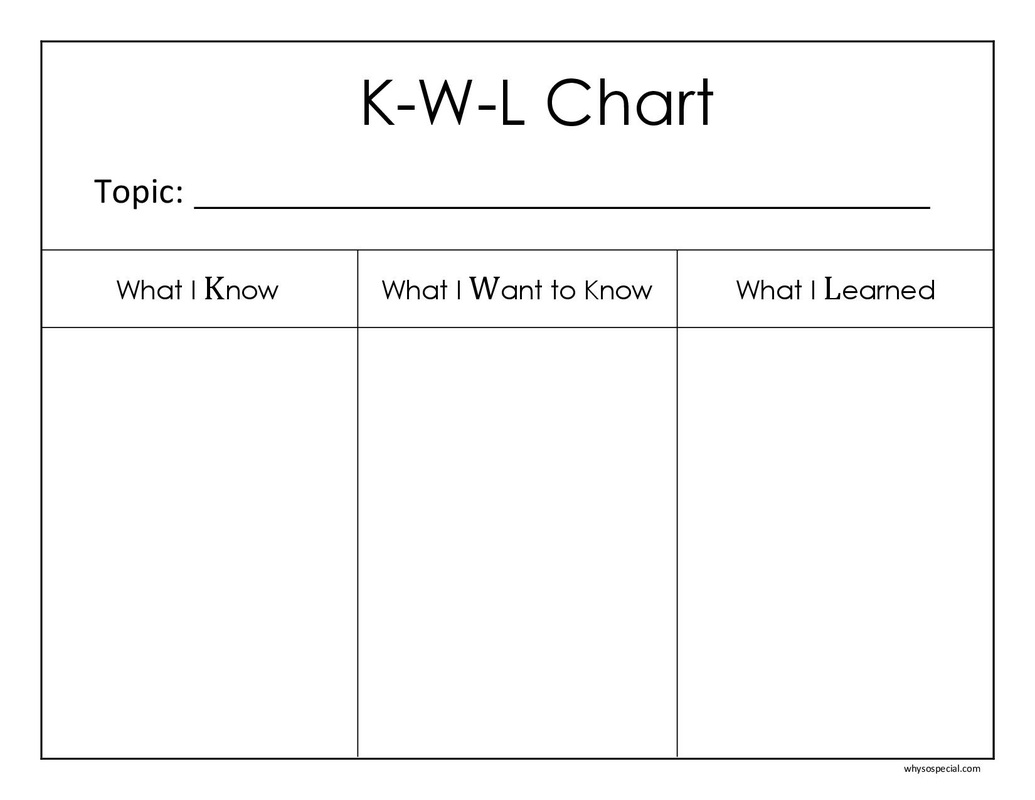
We’ll talk about this together as a group so ideas can build off one another. It’s basically a KWL chart—without worrying yet about the last column.
Build Black History World in Minecraft
We’ve set up a shared public Minecraft server where we’re building a world that celebrates Black people, Black history, and Black culture.
We did a similar project last year, but students were on private servers, which made sharing harder. This time, we want it to feel more communal.
I’ll post updates as the world grows. If you’re an educator and want your students to participate, comment below—we’d love to explore that.

Hey Black Child
We’ll spend time with the poem "Hey Black Child".
Students will tape the poem into their journals and do copywork. We’ll also try memorizing it slowly—stanza by stanza, day by day—without pressure to finish. I want them to carry pieces of it with them, not just recognize it on paper.

Cut Paper Portraits
I love collage, especially cut-paper collage where you’re creating a real image, not just a jumble.
To accompany their poem copywork, students will make a cut paper self portrait. This gives us a natural opening to talk about how Black features—especially hair—are represented in art, and how to capture them thoughtfully.
And to remind each of them how beautiful their blackness is.

Jackie Ormes
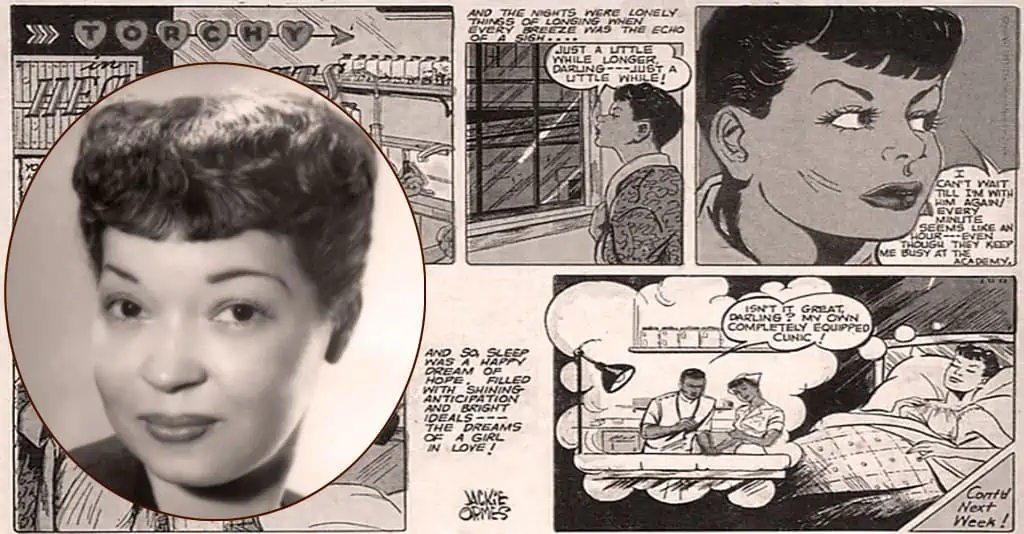
One individual we are excited to spend time with this year is Jackie Ormes—the first Black female cartoonist.
Her comic "Patty-Jo 'n' Ginger" ran from the end of World War II through the beginning of the modern Civil Rights Movement. In the comic, Ormes provided social commentary on a wide range of contemporary issues, including segregation, housing discrimination, and education.
We’ll watch a short video about her career, draw her portrait together (using a guided tutorial), and write a few reflection sentences about her work and impact.
Drawing Black Features
We've spent a lot of time this year working on everyone feeling comfortable with drawing. So for Black History Month, we’ll look closely at how Jackie Ormes approached drawing Black characters and what we can learn from her style.

Geography of the African Diaspora
We have a wall-sized world map and the kids are constantly running up to it—pointing things out, calling places, making connections.
That curiosity keeps showing up, so we’re leaning into it.
This year, we’ll explore the African diaspora through geography. Each student (or pair) will be assigned a country—popcorn style from a list—and we’ll:
- Draw detailed country maps
- Label bodies of water, cities, landmarks
- Possibly create topographical maps using clay (a long-standing idea I’ve been excited about)

This is a continent map and I want to them to do country maps. But maybe a continent map would be cool too.

It may look simple, but careful map study is powerful. Like copywork, it teaches patience, observation, and respect for place.

Field Trips We’re Considering
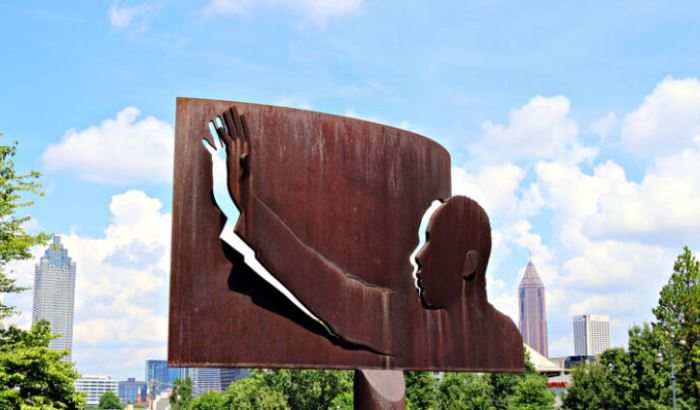
MLK Museum on Auburn Avenue
We went last year but ran out of time. I’d love to return, explore more fully, and walk Auburn Avenue together. Fun fact the kids love: a scene from Black Panther was filmed in the parking lot across the street.
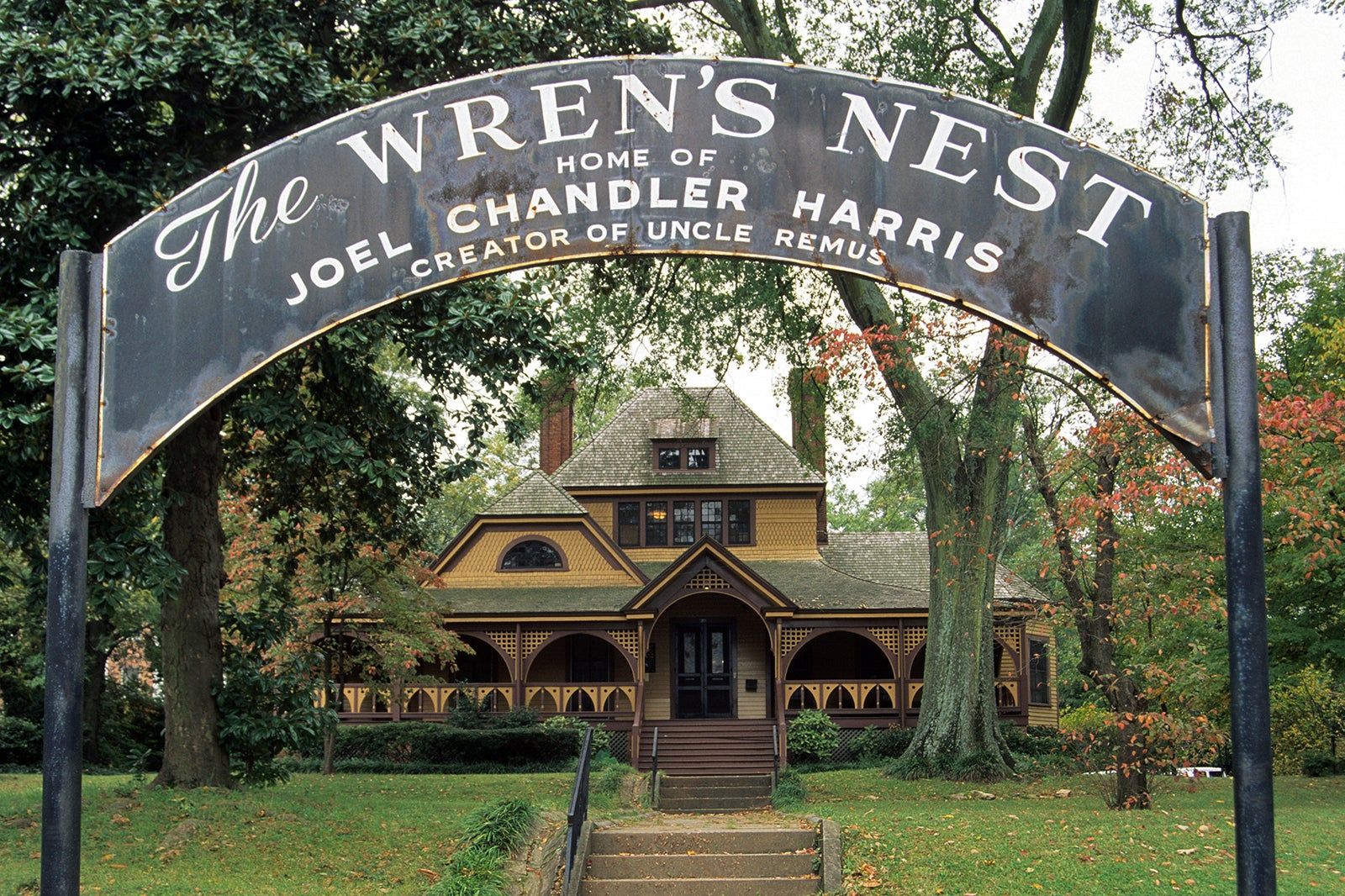
The Wren's Nest
Home of Brer Rabbit. I've never been but I've driven by it a million times in the West End and I love the connection to our storytelling theme.
Still Becoming
This is what I have so far.
We’ll adjust as questions come up, interests shift, and ideas surprise us. I’ll share more as we move through the next two months of Black History study—what worked, what didn’t, and what we’re still figuring out.