

This week, our students spent time learning about Martin Luther King Jr. in a way that was slow, layered, and grounded in real places—not just dates and soundbites.
Rather than rushing through a single lesson, we built understanding over multiple days, using video, discussion, art, music, and finally, place-based learning right here in Atlanta.
Starting with the Story
We began with a short video about Dr. King’s life and work. As we watched, we paused often—long enough for students to catch ideas, ask questions, and write things down.
Students recorded:
- Key words and phrases that stood out to them
- About five core facts from the video
- New ideas they hadn’t heard before
Pausing the video gave students time to think instead of just consume. It slowed the pace and helped them notice how often words like justice, nonviolence, segregation, and responsibility kept coming up.
Drawing Dr. King
Then, we shifted into art.
We followed along with a drawing tutorial video and sketched a portrait of Dr. King together. The goal wasn’t realism or perfection—it was observation. Students noticed his expression, posture, and details they might not have paid attention to otherwise.
Drawing became another way of studying him, quietly and carefully.
Learning in the Place Itself
Then we took what we’d learned out into the world.
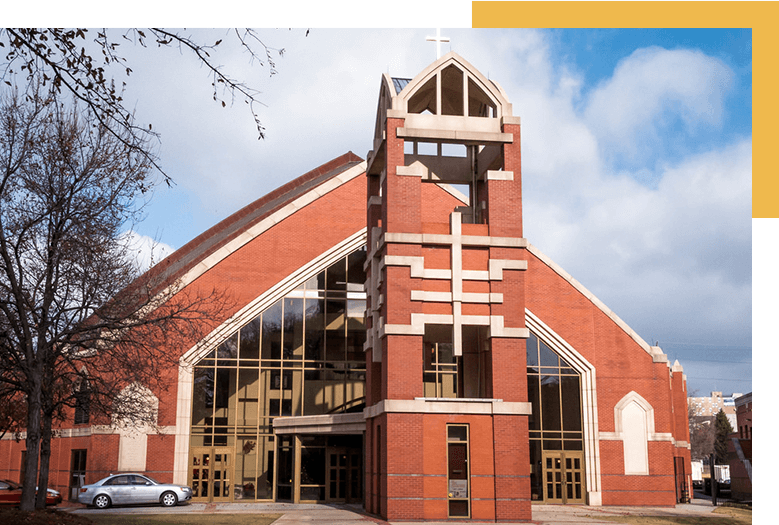
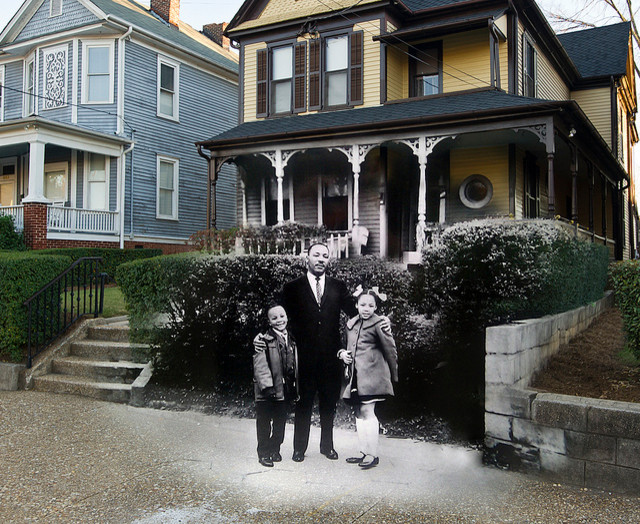
We visited the Martin Luther King Jr. National Historical Park area along Auburn Avenue, a street rich with Black history and community life. Students saw:
- Dr. King’s childhood home
- His former church
- The tomb where Dr. King and Coretta Scott King are buried
- The eternal flame honoring their legacy
Walking the grounds helped students understand that this history is not abstract—it happened in real neighborhoods, with real people, not far from where we live now.

Students were especially excited to spot a familiar piece of pop culture, too—a location across the street where a scene from Black Panther was filmed. It sparked a great conversation about how Black history, culture, and storytelling continue to show up in modern media.
Listening on the Road
On the drive to and from the site, we listened to Dr. King’s final speech. Hearing his voice—his cadence, urgency, and hope—while physically traveling through the city added another layer of meaning.
After the speech ended, we played freedom songs in the van and talked about them:
- Why people sang together
- What the songs were used for
- How music helped people survive, organize, and believe in change
It became one of those quiet, powerful conversations that only happens when you’re sitting side-by-side, looking out the window, letting ideas settle.
Reflecting After the Visit
The next day, we talked together about what we remembered most—what stood out, what surprised us, and what stayed in our minds after leaving the site. Then students moved into journaling.
Each student drew four pictures of things they saw and remembered from the visit and wrote a few sentences to go with each one. Some focused on the eternal flame, others on the church, the homes, or moments from the museum. A few wrote about how it felt to be there.

It was a simple activity, but a meaningful one. Drawing and writing gave students space to process the experience in their own way, helping turn a powerful field trip into something personal, thoughtful, and lasting.
Timing It with Intention
We planned this experience so it would lead directly into MLK Day, giving students context before the holiday arrived. Instead of seeing the day as just a long weekend, students entered it with a deeper understanding of who Dr. King was, what he stood for, and how his work connects to service, reflection, and responsibility today.
This also fit naturally into our broader plan: we’re spending two full months on Black history, and this point in the calendar—about a week or two into that work—was the right moment to focus on Dr. King and his legacy.
More Than a Lesson
This wasn’t just a unit about Martin Luther King Jr.
It was about:
- Paying attention
- Learning through multiple modes
- Connecting history to place
- Letting ideas unfold over time
By the end, students didn’t just know more facts. They had experienced Dr. King’s story—in words, images, music, movement, and memory—and that’s the kind of learning that tends to stick.